Eight
An opening toward every direction. Eight gathers expanding possibilities: trigrams, auspicious objects, musical materials and the movements of a brush. In modern life it also carries a widely recognized wish for prosperity.
Two strokes opening out
The shape of 八 (bā) suggests separation, with strokes moving apart. The Shuowen Jiezi explains the character through division. From that visual opening, later cultural associations readily move toward spreading, branching and reaching outward.
The eight compass directions combine four main directions with the four between them. 八方 (bā fāng) can therefore stand for everywhere around us.
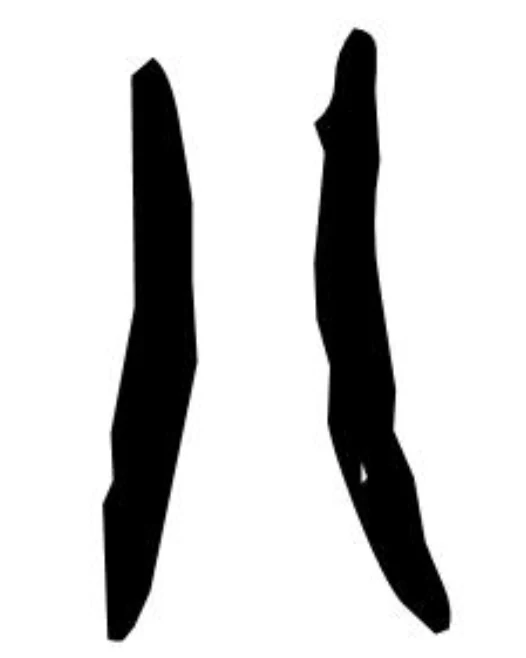
Three lines, eight possibilities
Each trigram consists of three lines, and each line may be solid or broken. Two possibilities in each of three positions produce eight combinations: 2 × 2 × 2 = 8. Pairing two trigrams gives the sixty-four hexagrams.
Their traditional images are sky, earth, thunder, wind or wood, water, fire, mountain and lake. Different arrangements—often called Earlier Heaven and Later Heaven—place the trigrams differently. A diagram must identify its arrangement before its directions are interpreted.
乾 · ☰
Sky or heaven.
坤 · ☷
Earth.
震 · ☳
Thunder.
巽 · ☴
Wind or wood.
坎 · ☵
Water.
离 · ☲
Fire.
艮 · ☶
Mountain.
兑 · ☱
Lake or marsh.
Order, privilege and ceremony
Eight appears in political and ceremonial lists. The Hongfan’s eight concerns of government include food, wealth, sacrifice, public works, education, justice, hospitality and the army. 八佾 (bā yì) denotes an eight-by-eight array of dancers in high-ranking ritual.
八议 (bā yì) concerned privileged categories of people whose legal cases received special consideration. Such classifications expose social inequality as well as an urge to organize the world. Eight virtues also have several lists; filial conduct, fraternity, loyalty, trust, propriety, rightness, integrity and shame form a familiar one.
Eight auspicious emblems
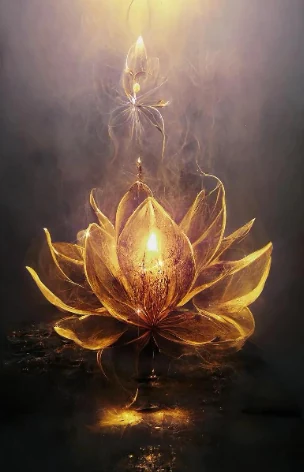
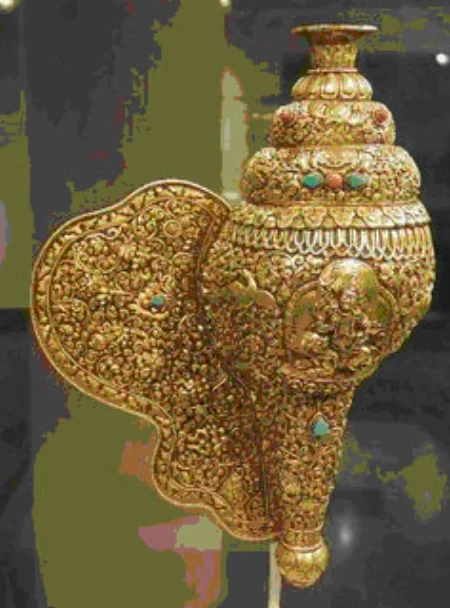
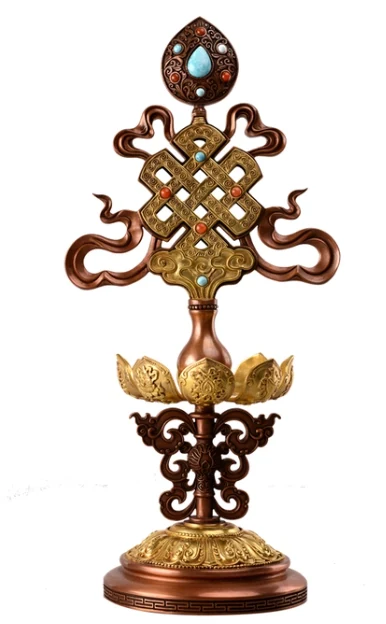
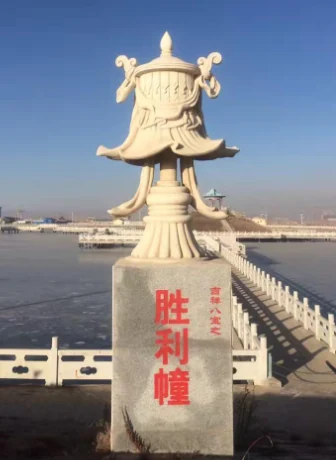
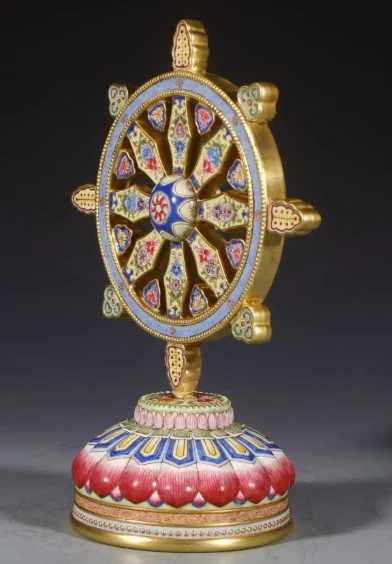
The parasol, golden fish, treasure vase, lotus, conch, endless knot, victory banner and wheel form the Eight Auspicious Symbols in Tibetan Buddhist and related decorative traditions. The objects evoke protection, abundance, purity, teaching and liberation; meanings vary with context.
This set differs from the Noble Eightfold Path and the eight sufferings. Sharing a number does not make these teachings interchangeable. The supplied illustrations below are examples of the motifs, not a single historical set of ritual objects.
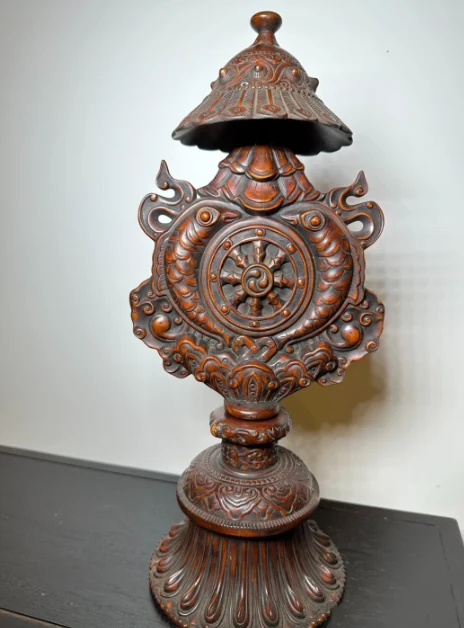
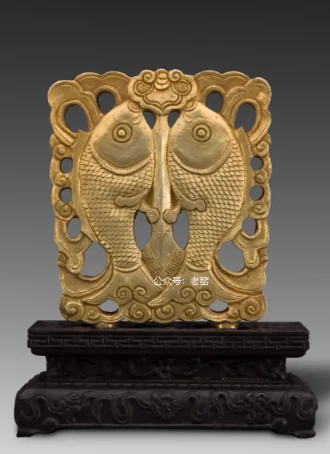
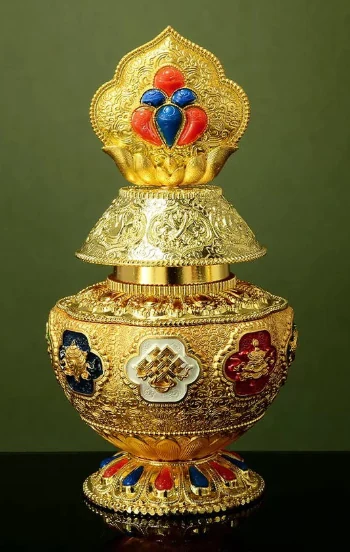
Eight movements inside one character
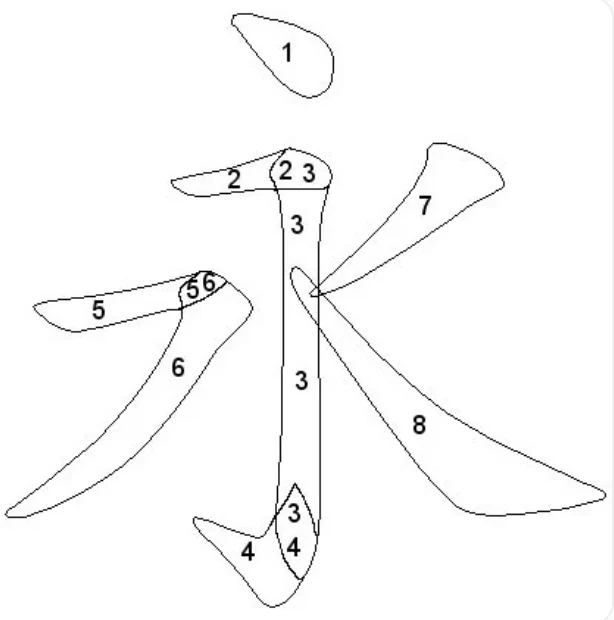
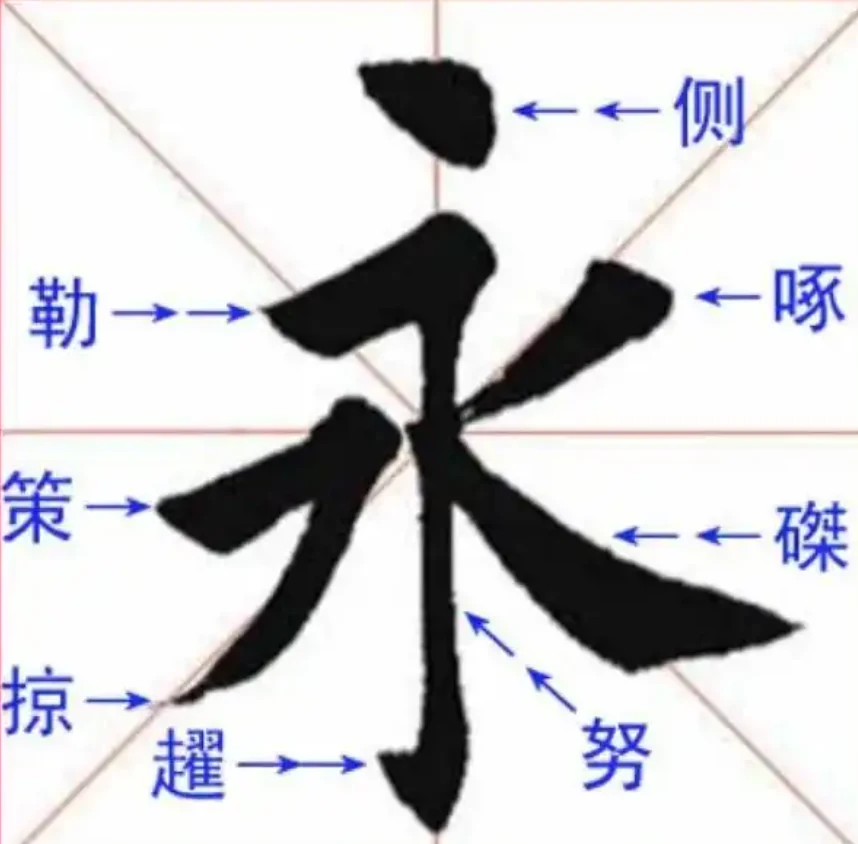
永字八法 (yǒng zì bā fǎ), the eight methods of the character “eternity,” uses 永 (yǒng) to teach a range of brush movements. The point is not simply to count eight strokes in ordinary handwriting: the framework names qualities and techniques within the written form.
The Eight Great Prose Masters of Tang and Song are Han Yu, Liu Zongyuan, Ouyang Xiu, Su Xun, Su Shi, Su Zhe, Wang Anshi and Zeng Gong. Another eight, the Yangzhou Eccentrics, refers to a group of painters whose membership varies by account. These are curated cultural groupings, not universal rankings.
Eight musical materials
八音 (bā yīn): metal, stone, silk, bamboo, gourd, clay, leather and wood classify instruments by material.
Eight-legged essays
八股文 (bā gǔ wén) refers to a highly regulated examination form. Its paired rhetorical “legs” are more specific than eight ordinary paragraphs.
Eight elegant pursuits
琴棋书画诗酒花茶—music, board games, calligraphy, painting, poetry, wine, flowers and tea—is a familiar cultural ideal, not a compulsory historical curriculum.
A decorative vocabulary of good wishes
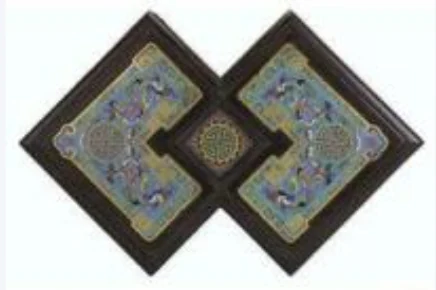
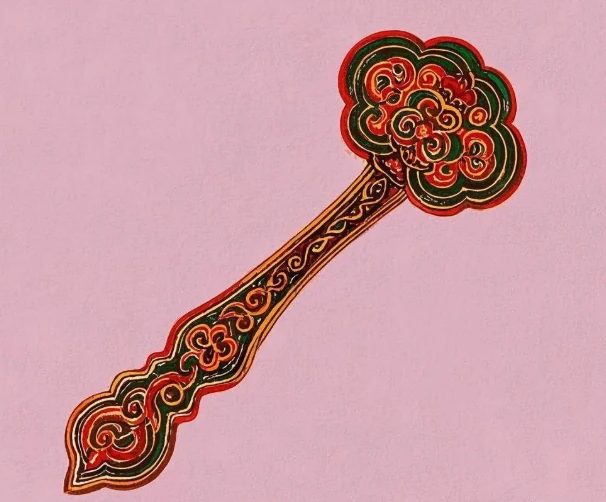
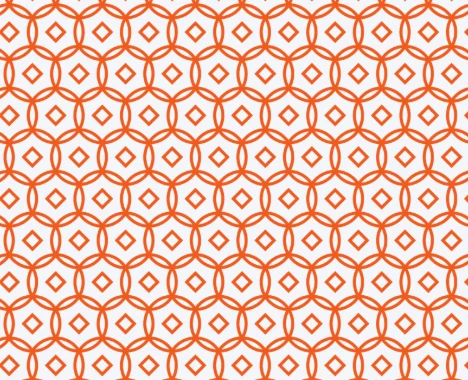
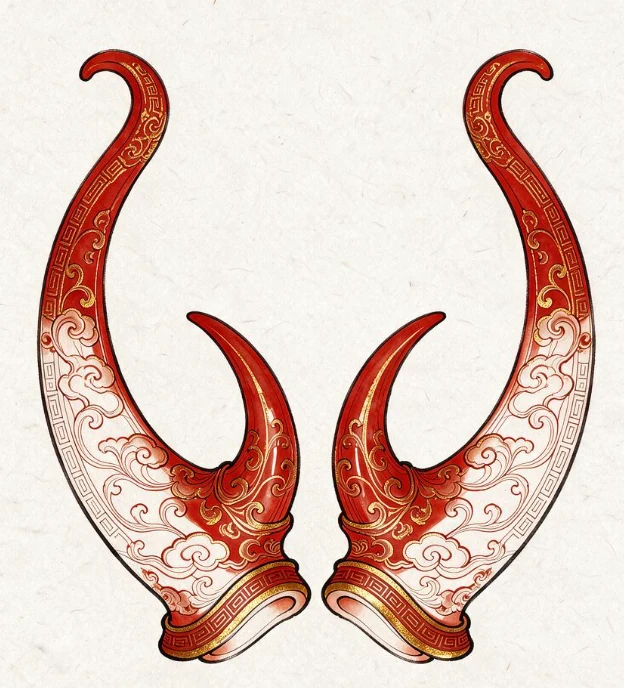
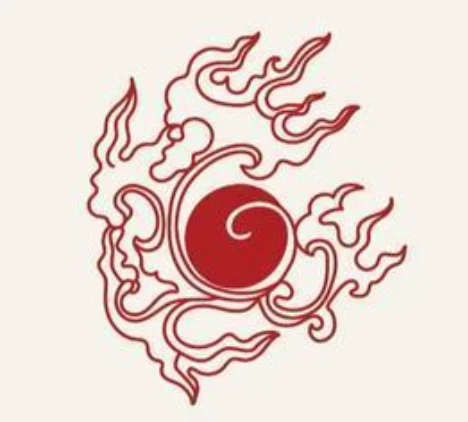
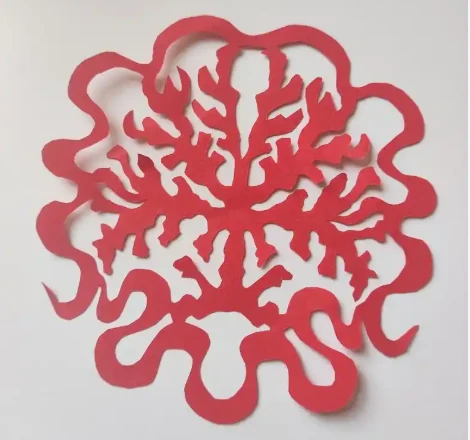
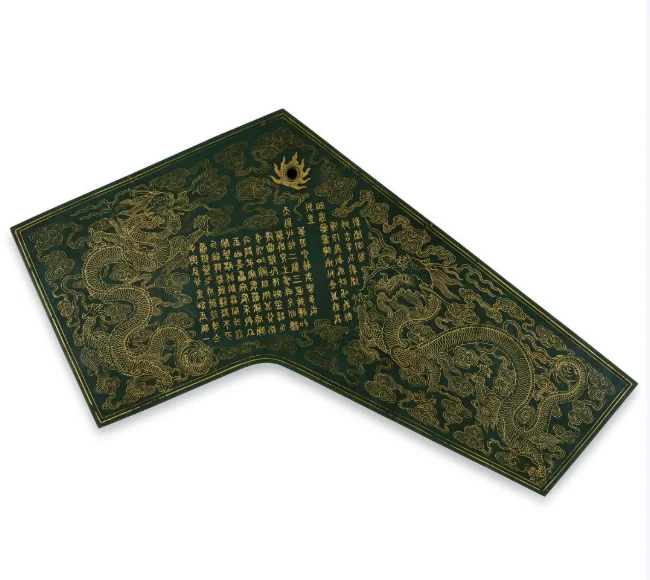
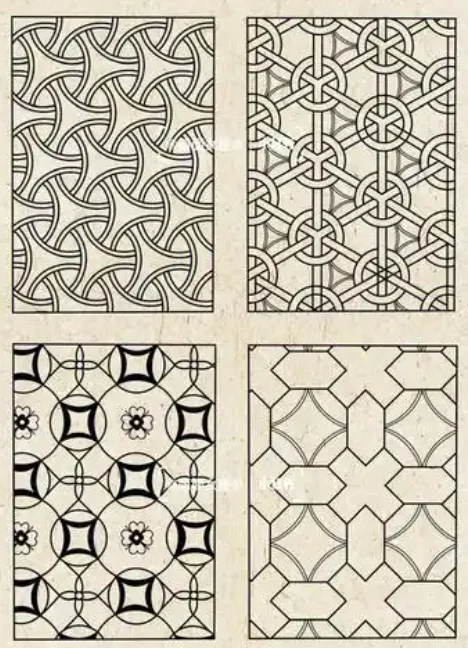
Secular sets of eight treasures are variable. The source document brings together overlapping lozenges, a ruyi scepter, coin motifs, horn-shaped ornaments, a flaming pearl, coral, a jade-chime motif and an ingot-related pattern. They translate wishes into recognizable objects and wordplay.
The following images are reproduced from the supplied material. Some show decorative patterns rather than the named object itself; they should not be treated as authenticated museum identifications.
Prosperity, identity and the Eight Immortals
The association of eight with wealth is especially familiar through Cantonese sound play between 八, baat, and 发, faat, associated with prospering. They are not exact Mandarin homophones. Repeated eights in phone numbers or celebrations draw on cultural convention, not a guaranteed effect on fortune.
八字 (bā zì, eight characters) records four pairs of stems and branches for a person’s birth year, month, day and hour. Its use in fortune-telling is a cultural practice, not a demonstrated predictive science. Traditional medicine’s eight diagnostic principles are another historically specific classification.
The Eight Immortals are a beloved Daoist and popular religious company. The story of their sea crossing celebrates different abilities working toward a common task—the image behind 八仙过海,各显神通.
Numbers in everyday words.
Open a group to read the Chinese, its pronunciation and the English meaning together. This collection includes idioms, sayings and popular phrases. Pinyin uses dictionary tones; natural speech may change the tone of 一 and 不.
Expressions 01–10
八面玲珑
Skillful in dealing with everyone; often suggests a socially polished, calculating manner.
八面威风
An impressive presence in every direction; commanding and formidable.
八仙过海
The Eight Immortals cross the sea, each using a different power: everyone contributes a special skill.
八方来财
May prosperity arrive from every direction.
八方支援
Help arriving from all quarters.
八斗之才
Talent worth eight measures: extraordinary literary ability, from a celebrated anecdotal praise of Cao Zhi.
八珍玉食
Rare delicacies and luxurious food.
八面受敌
Attacked from every side; in some older contexts, able to respond to challenges from many directions.
八方风雨
Storms from all directions: widespread turmoil or pressures.
八方呼应
Responses and cooperation from every quarter.
Expressions 11–20
八拜之交
A bond of sworn friendship, associated with formal acts of greeting and respect.
八面见光
Able to handle every social situation; often worldly or calculating.
八面张罗
Attending to arrangements and obligations on every side.
八难三灾
Repeated troubles and misfortunes.
八九不离十
Very close to the truth; probably about right.
八字没一撇
Not even the first stroke of 八 has been written: a plan has barely begun or has no definite shape.
八公草木(八公山上,草木皆兵)
Mistaking the plants on Mount Bagong for soldiers: extreme fear makes imaginary threats seem real, from the Fei River battle tradition.
半斤八两
Half a jin equals eight liang in the old sixteen-liang system: much the same, often equally unimpressive.
二八佳人(二八年华)
Two times eight means sixteen: a literary expression for a young woman of sixteen or that age of youth.
四衢八街
Many intersecting streets; a thriving city’s network of roads.
Expressions 21–30
四时八节
The four seasons and eight seasonal nodes: the year in its full cycle.
四面八方
All around; in every direction.
四通八达
Roads leading everywhere: excellent connections and easy access.
四平八稳
Stable and well balanced; sometimes cautious to the point of lacking initiative.
四邻八舍
The surrounding neighbors and households.
五花八门
An abundance of varieties or methods; many different forms.
七上八下
Seven up, eight down: anxious and unsettled.
七零八落
Scattered, broken up or incomplete.
七嘴八舌
Many mouths talking at once; a lively or confused chorus of opinions.
七拼八凑
To cobble something together from assorted fragments.
Expressions 31–40
七老八十
In one’s seventies or eighties; very old.
七折八扣
Reduced by one deduction after another.
七平八稳
Steady, secure and well settled.
七扭八拗
Awkwardly twisted or stubbornly uncooperative, depending on context.
七扭八歪
Crooked, lopsided and irregular.
十有八九(十之八九)
Eight or nine out of ten: most cases, or a strong likelihood, without a measured statistical claim.
十万八千里
A hundred and eight thousand li: an immense distance or a vast difference, familiar from Journey to the West.
横七竖八
Some horizontal, some vertical: strewn about in disorder.
杂七杂八
A jumble of miscellaneous things.
乱七八糟
Completely disordered or in a mess.
Expressions 41–42
胡说八道
To talk nonsense or make groundless claims.
正经八百
Thoroughly serious and proper; sometimes used humorously.
Reading note: the English text adapts and reorganizes the supplied Chinese document. Character diagrams and illustrations are reproduced from that source; they are not presented as authenticated archaeological objects. Numerical diagrams are modern explanatory designs.