The Chinese Zodiac
Twelve stories. A world of meaning.
Explore a cycle of animals that brings together timekeeping, folklore and wishes for a good life. Choose an animal to discover its story.
Find your animal ↗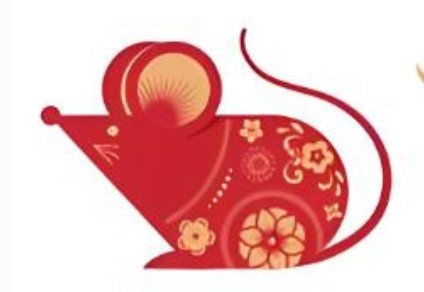




Choose a story
Follow the traditional order from Rat to Pig. Each card opens the complete article, with original illustrations, cultural explanations and Chinese sayings in pinyin and English.
子鼠The Rat
Resourcefulness & new beginnings
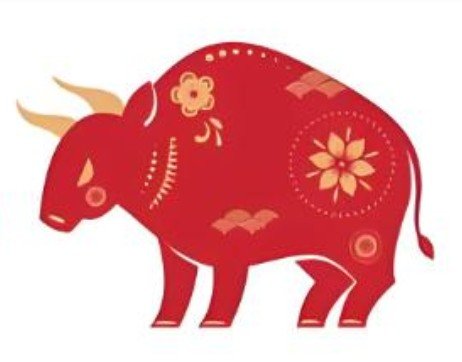
Explore the Rat ↗NO. 02丑牛The Ox
Diligence & steady strength
Explore the Ox ↗NO. 03寅虎The Tiger
Courage & protection
Explore the Tiger ↗NO. 04卯兔The Rabbit
Gentleness & renewal
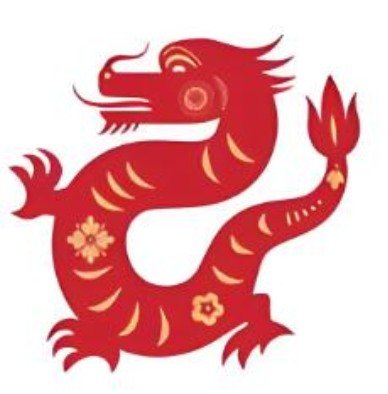
Explore the Rabbit ↗NO. 05辰龙The Dragon
Power & auspicious promise
Explore the Dragon ↗NO. 06巳蛇The Snake
Transformation & ancestral stories
Explore the Snake ↗NO. 07午马The Horse
Vitality & forward movement
Explore the Horse ↗NO. 08未羊The Goat
Kindness & harmony
Explore the Goat ↗NO. 09申猴The Monkey
Intelligence & adaptability
Explore the Monkey ↗NO. 10酉鸡The Rooster
Five virtues & the dawn
Explore the Rooster ↗NO. 11戌狗The Dog
Loyalty & watchful care
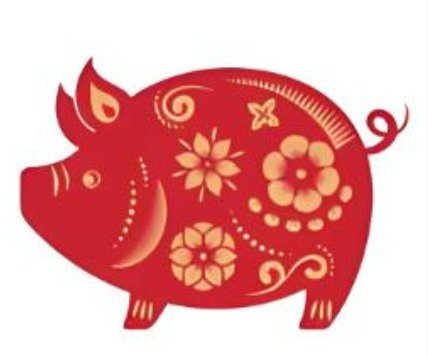
Explore the Dog ↗NO. 12亥猪The Pig
Abundance & a peaceful home
Explore the Pig ↗A language note: 羊 (yáng) can refer to sheep or goats. This series uses “Goat” for the zodiac animal.
What does shēng xiào mean?
生肖 (shēng xiào) names the animal associated with a person’s birth year. 生 (shēng) refers to birth or life; 肖 (xiào) means resemblance or likeness. The system is also called 属相 (shǔ xiàng), one’s animal sign.
Beyond a way of naming years, these twelve images carry stories, family memories and shared cultural feeling. The supplied introduction presents the zodiac as a tradition passed down through generations of observing the sky and the living world.
Animals, the sky and the naming of time
1. Animals in early belief
The source connects zodiac culture with ancient astronomy and animal reverence. Early communities lived closely with animals; some honored them as protective powers or imagined an animal ancestor for their group. Ritual offerings expressed hopes for protection. The article presents these beliefs as one strand behind zodiac culture, rather than a single documented moment of invention.
2. Why a cycle of twelve?
The introduction describes a sky divided into 二十八星宿 (èr shí bā xīng xiù), the twenty-eight lunar mansions, used as reference regions for observing the Sun, Moon and the five visible planets: Jupiter, Mars, Saturn, Venus and Mercury. It relates the twelve-part cycle to Jupiter, traditionally called 岁星 (suì xīng), the Year Star, and its roughly twelve-year circuit of the sky.
In the account given by the source, twelve celestial divisions, 十二星次 (shí èr xīng cì), are associated with the Earthly Branches, which in turn receive animal counterparts. Familiar animal behavior provides traditional explanations for those pairings. This is an overview of cultural connections; it should not be read as proof that the entire zodiac developed through one simple sequence.
3. Stems, branches and the established animal sequence
The source describes 十天干 (shí tiān gān), ten Heavenly Stems, and 十二地支 (shí èr dì zhī), twelve Earthly Branches, as a framework used for naming years, months, days and hours. It notes that a mature stem–branch day-counting system appears in Shang oracle-bone records, while the familiar animal–branch pairings were largely established by the Han period.
The twelve branches and their animal partners follow the card order above:
Twelve imperfections: a folk mirror
十二缺 · Shí èr quēThe second source traces the idea of imperfect zodiac animals to Southern Song accounts and identifies a complete scheme in Ye Ziqi’s Caomuzi, in its Gouxuan chapter, from the late Yuan and early Ming period. The twelve creatures are each assigned a supposed lack, turning animal images into reflections on human life.
Select a saying to read its story, lesson and a note on how to interpret it.
01 · 鼠无脑Shǔ wú nǎo · The Rat “has no brain”
The source’s story portrays a clever rat that remembers food but forgets danger: it returns to a hole, forgets the cat outside and emerges to be caught. Sayings such as 鼠目寸光 (shǔ mù cùn guāng), short-sighted as a rat, and 撂爪就忘 (liào zhuǎ jiù wàng), forgetting as soon as the paws are set down, turn this into a warning about short-term thinking.
Reflection · Learn from experience; cleverness benefits from a longer view.
This is a fable about foresight, not a claim that rats lack brains or a reliable account of their memory.
Read the Rat story ↗02 · 牛无齿Niú wú chǐ · The Ox “has no teeth”
The saying focuses on the absence of upper front incisors, described in the source as a hard dental pad. The article contrasts this apparent limitation with chewing cud, presenting the Ox’s way of feeding as an example of finding another path.
Reflection · A limitation can invite a different way of working.
The wording does not mean cattle have no teeth. The moral comparison is not an explanation of how rumination evolved.
Read the Ox story ↗03 · 虎无项Hǔ wú xiàng · The Tiger “has no flexible neck”
The folk account imagines a tiger so thick-necked that it must turn its whole body to look behind. It contrasts overwhelming strength with a lack of flexibility, then applies the image to a proud person who cannot compromise.
Reflection · Balance courage with flexibility and tact.
Treat the stiff-necked tiger as a literary image, not a statement that tigers cannot turn their heads.
Read the Tiger story ↗04 · 兔无唇Tù wú chún · The Rabbit “has no lips”
The source draws its image from the rabbit’s split upper lip, described in folk language as a three-part mouth. It imagines a creature compensating through quick feeding, alertness and speed, using its strengths to live well.
Reflection · Develop your abilities instead of dwelling only on what seems missing.
“No lips” is figurative. The article’s older comparison with human facial differences should not be taken as a judgment about people.
Read the Rabbit story ↗05 · 龙无耳Lóng wú ěr · The Dragon “has no ears”
The mythical dragon can summon wind and rain, yet this account imagines it without ordinary ears, sensing heavenly thunder instead. The source points to 聋 (lóng), deaf, which combines dragon and ear components, and turns the image into a warning that powerful people may stop listening.
Reflection · Listen humbly, especially when you hold authority.
Dragons are mythical and artistic depictions vary. The moral lesson concerns willingness to listen, not hearing disability.
Read the Dragon story ↗06 · 蛇无足Shé wú zú · The Snake “has no feet”
The source presents the snake’s winding movement as a different way of traveling. 画蛇添足 (huà shé tiān zú), drawing legs on a snake, describes a needless addition that spoils something already sufficient.
Reflection · An apparent absence need not be an obstacle; avoid unnecessary additions.
This is a reflection on adaptation, not a rule for judging a person’s abilities from their body.
Read the Snake story ↗07 · 马无趾Mǎ wú zhǐ · The Horse “has no toes”
A legendary horse travels enormous distances, but the saying contrasts that power with a single hoof rather than five separate digits. The source turns the hoof’s firm contact with the ground into an image of steady, practical effort.
Reflection · Even great talent needs a secure foundation.
“No toes” is folk shorthand about the hoof, not a precise anatomical description.
Read the Horse story ↗08 · 羊无神Yáng wú shén · The Goat or Sheep “has no lively gaze”
The source contrasts an apparently quiet, expressionless gaze with horizontal pupils and broad awareness of the surroundings. It gives the related wording 羊无睛 (yáng wú jīng) and the lesson 大智若愚 (dà zhì ruò yú), great wisdom can appear unassuming.
Reflection · Do not mistake quietness for a lack of understanding.
The source’s claims about fixed eyes and an exact field of view are not used here as measured facts. 羊 (yáng) can mean sheep or goats.
Read the Goat story ↗09 · 猴无腮Hóu wú sāi · The Monkey “has no full cheeks”
The article imagines a sharp-faced monkey whose excitement and impatience show immediately in its calls and movements. It contrasts quick intelligence with the ability to remain composed. The traditional language links an appearance judged less fortunate with an unsettled temperament.
Reflection · Cultivate patience and composure alongside quick thinking.
This is a cultural stereotype; cheek shape is not evidence of character, self-control or good fortune.
Read the Monkey story ↗10 · 鸡无肾Jī wú shèn · The Rooster “has no kidneys”
The source cites 小鸡不尿尿,各有各的道 (xiǎo jī bù niào niào, gè yǒu gè de dào), roughly, chicks do not urinate separately—each has its own way. It turns the image of waste leaving together into a light-hearted lesson about not carrying yesterday’s worries into the next dawn.
Reflection · Let go of unnecessary burdens and greet a new day.
The literal claim is false: chickens have two kidneys. Their ureters carry urine to the cloaca. See the anatomy reference below.
Anatomy reference: Poultry Hub Australia — the chicken’s excretory system.
Read the Rooster story ↗11 · 狗无味Gǒu wú wèi · The Dog “has no taste”
The source contrasts the Dog’s keen smell with a supposedly less discriminating palate. It uses an image of an undemanding, loyal companion to praise adaptability and freedom from excessive fussiness.
Reflection · Be adaptable without making comfort your only priority.
The phrase is figurative, not an absence of taste. The source’s taste-bud ratio and claims about food choice are not presented as verified measurements or feeding advice.
Read the Dog story ↗12 · 猪无寿Zhū wú shòu · The Pig “has no long life”
The article contrasts comfortable feeding and rest with a domestic pig’s early slaughter, often before it reaches old age. Its fate depends on husbandry rather than its own wishes, making the image a reflection on the fragility of ease and good fortune.
Reflection · Appreciate the present and value the time you have.
A farming animal’s slaughter age is different from its natural potential lifespan.
Read the Pig story ↗Nothing is without a limitation
金无足赤,人无完人
No gold is entirely pure; no person is perfect.
1. Balance rather than perfection
The source reads the twelve images through 阴阳 (yīn yáng): strength and weakness, fullness and absence exist together. Perfection is an ideal, while limitations are part of ordinary life.
2. A mirror for conduct
Each animal becomes a reminder: the Tiger invites flexibility, the Dragon a willingness to listen, and the Pig appreciation of the present. The purpose is self-reflection rather than fault-finding.
3. Another way to see a limitation
The article turns the Ox’s feeding, the Rabbit’s mouth and the Snake’s movement into examples of a seeming weakness paired with another ability. These are moral analogies, not evolutionary explanations. Applied to people, the message is to recognize individual strengths and accept imperfection without shame.
Adapted from the two supplied articles, “What Is the Chinese Zodiac?” and “The Twelve Zodiac Animals and Their Twelve Imperfections.” Their historical interpretations are attributed to the sources; the chicken anatomy clarification links to an external educational reference. Animal illustrations come from the twelve companion pages.